

Some Malaysian dishes are known for bold spice and intense heat. Ipoh Hor Fun takes a different approach. Silky rice noodles, a delicate savoury broth and simple toppings come together in a dish that is comforting without needing to be complicated.
It's a Malaysian classic closely associated with Ipoh, a city famous for its food culture and distinctive regional specialities. For anyone discovering Malaysian cuisine, Ipoh Hor Fun offers a taste of how simple ingredients and careful preparation can create something memorable.
What Exactly Is Ipoh Hor Fun?
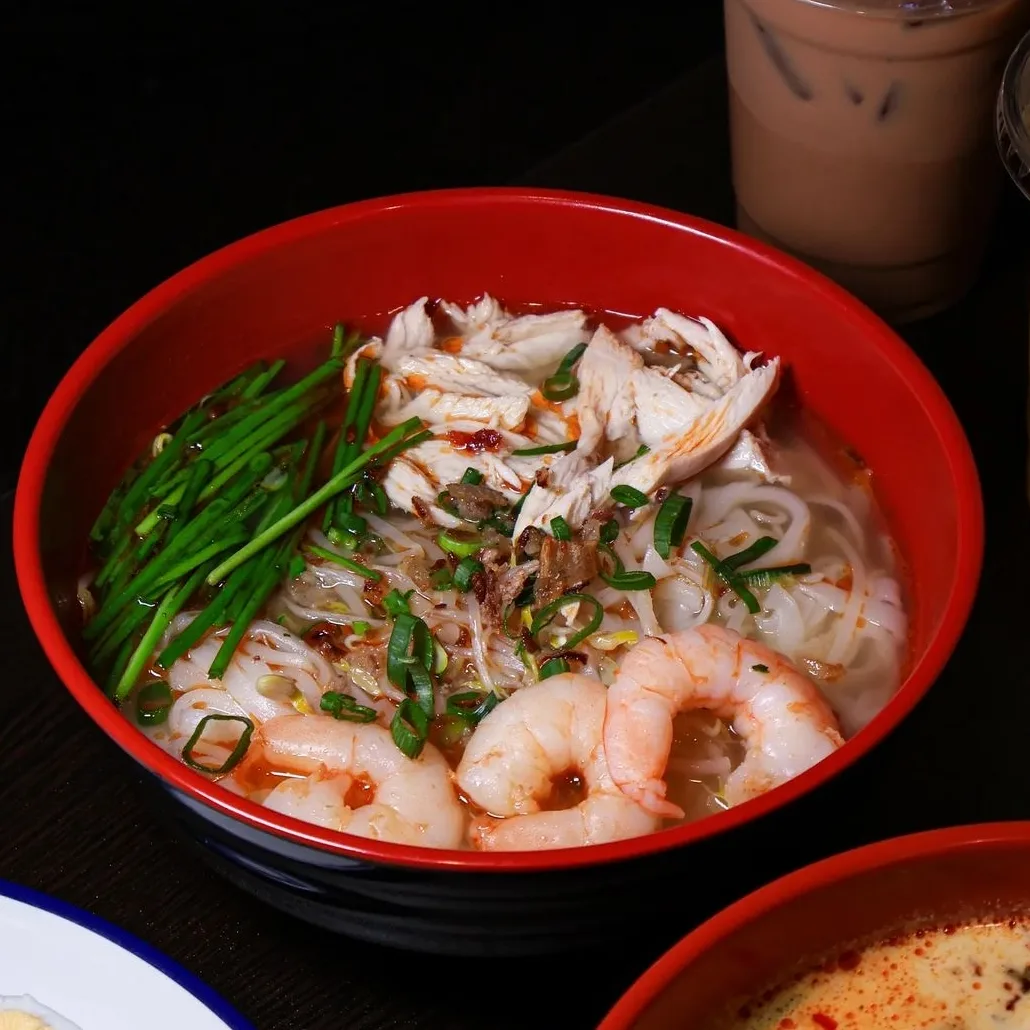
Ipoh Hor Fun is a Malaysian noodle dish traditionally made with smooth, flat rice noodles. "Hor fun" refers to the flat rice noodles used in the dish, while "Ipoh" points to the Malaysian city where this particular style became famous.
Depending on the preparation, the noodles may be served in a clear, savoury broth with chicken and prawns or prepared in other regional variations.
What defines the dish is its balance. Rather than overwhelming the noodles with heavy seasoning, the broth and toppings complement their soft, slippery texture.
Why Is Ipoh Famous for Hor Fun?
Ipoh is the capital of Perak in Malaysia and has long been recognised as one of the country's great food destinations. The city developed a distinctive food culture influenced strongly by its Chinese Malaysian community, particularly Cantonese culinary traditions.
Hor Fun became one of the dishes closely associated with the city, earning a place alongside other well-known Ipoh favourites. The dish also reflects something characteristic of Ipoh cooking: allowing quality ingredients and careful technique to speak for themselves.
It's All About the Noodles
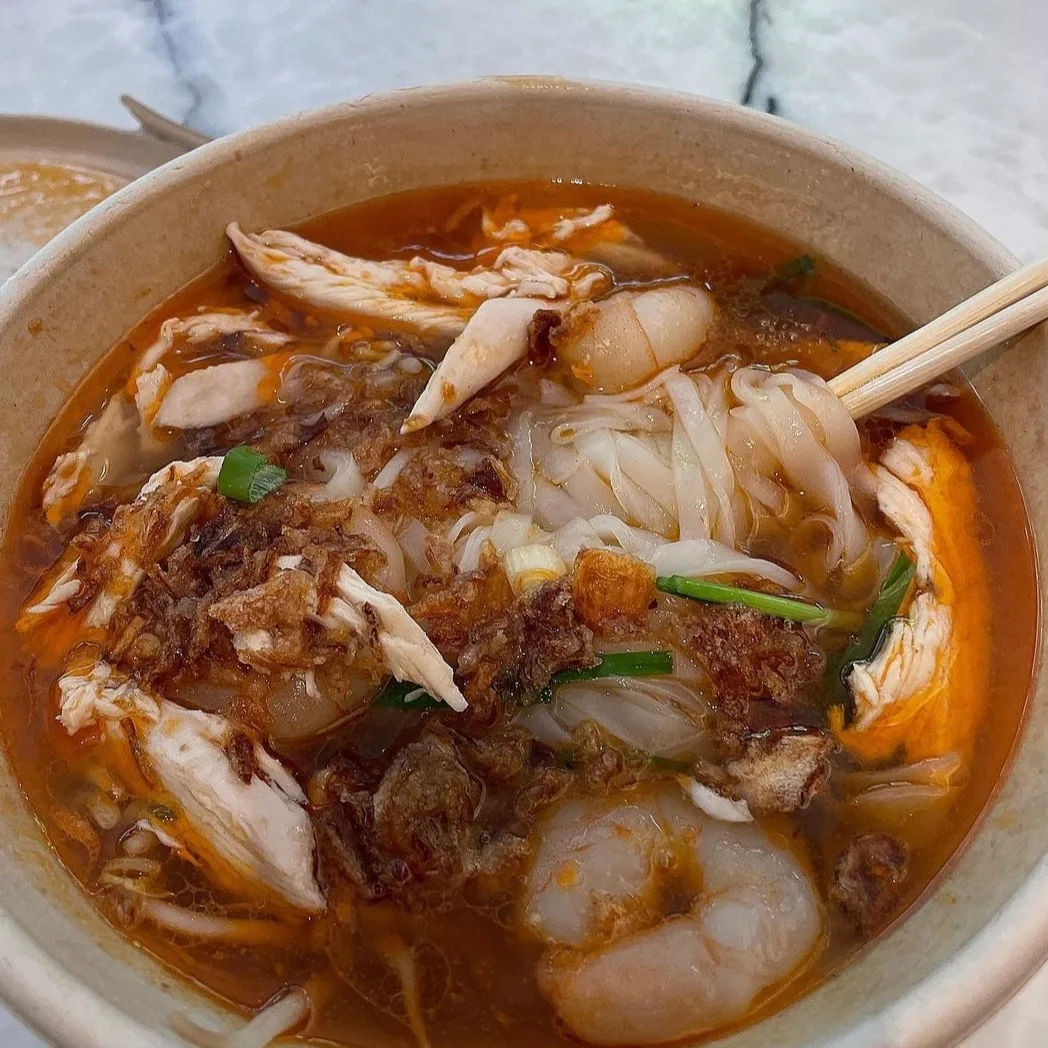
The noodles are at the heart of Ipoh Hor Fun. Flat and delicate, rice noodles have a wonderfully smooth texture that allows them to glide through the broth while absorbing its savoury flavour.
Unlike firmer wheat or egg noodles, hor fun should feel soft and silky. That texture is one of the reasons the dish is so comforting. There's no need for elaborate presentation or an endless list of ingredients—the combination of tender noodles and warm broth does much of the work.
A Broth That Doesn't Need to Shout
While Malaysian cuisine is often celebrated for powerful curries, sambals and spices, Ipoh Hor Fun shows another side of the country's cooking. Its broth is generally lighter and more delicate.
The aim isn't to make it intensely spicy. Instead, the broth provides a savoury foundation that works with the noodles and toppings rather than overpowering them.
It's a good reminder that Malaysian food isn't defined by heat alone. As we explore in Why Does Malaysian Food Taste So Good? The Secret Behind Every Dish, balance is one of the qualities that makes the cuisine so distinctive.
What Is Traditionally Served with Ipoh Hor Fun?
Traditional versions of Ipoh Hor Fun commonly pair the noodles with ingredients such as chicken and prawns, finished with garnishes that add freshness and texture.
Like many Malaysian classics, however, recipes can vary between cooks, families and restaurants.
Those differences are part of Malaysian food culture. A familiar dish can take slightly different forms depending on where you eat it, while still retaining the characteristics that make it recognisable.
Is Ipoh Hor Fun Spicy?
Not usually. For people who assume Malaysian food always means chilli-heavy dishes, Ipoh Hor Fun can be a pleasant surprise. Its appeal comes from the combination of savoury broth and silky noodles rather than intense heat.
Depending on how it's served, chilli may be available alongside the dish for diners who prefer an extra kick. That makes Ipoh Hor Fun an approachable choice for people trying Malaysian food for the first time.
Ipoh Hor Fun vs Char Kway Teow: What's the Difference?
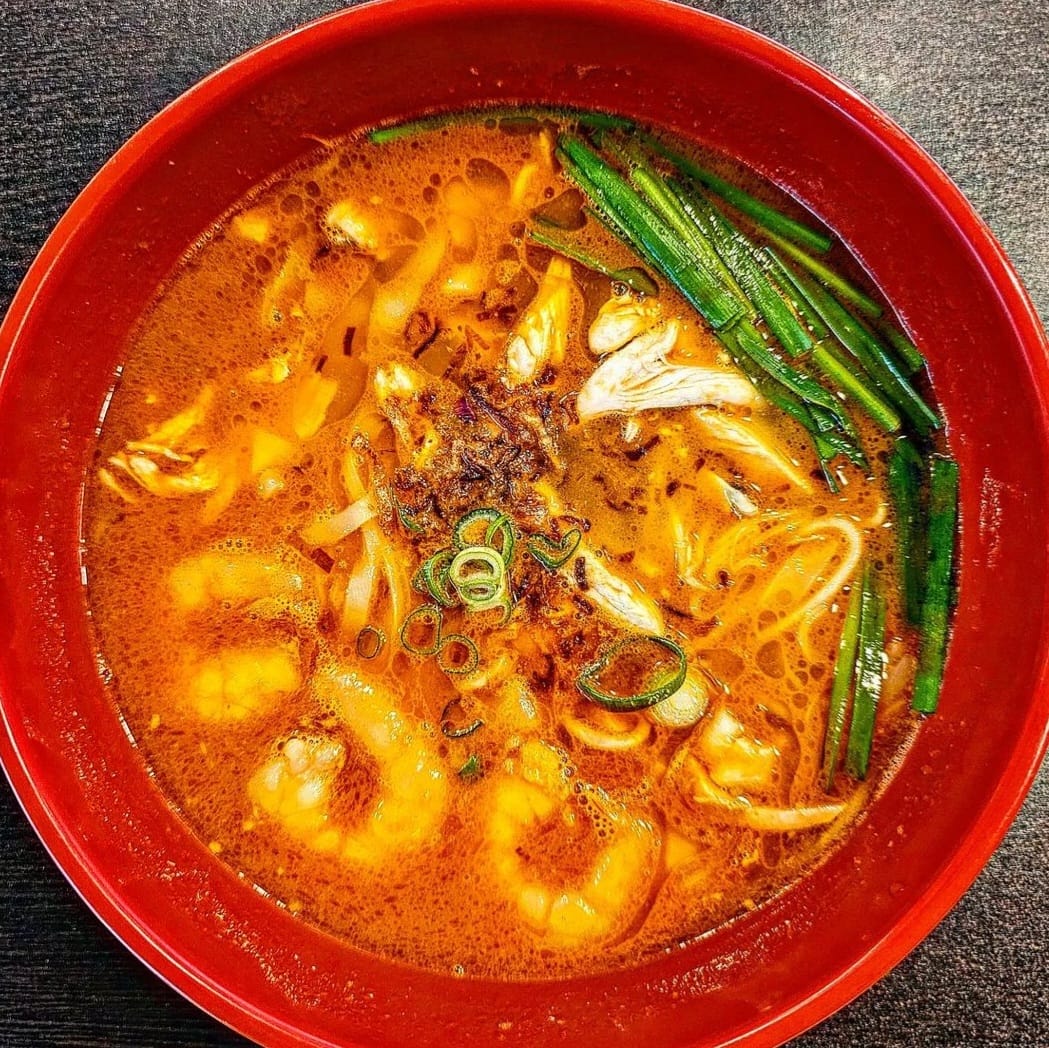
Although both dishes use flat rice noodles, the eating experience is very different. Ipoh Hor Fun is known for soft noodles and a delicate broth, making it warm, smooth and comforting.
Char Kway Teow, on the other hand, is stir-fried over high heat. It's richer and smokier, with the wok playing an important role in developing its characteristic flavour.
Both demonstrate just how versatile rice noodles are in Malaysian cooking. If you're exploring the cuisine beyond noodles, our guide to 10 Malaysian Dishes Everyone Should Try at Least Once is another great place to start.
A Dish That Reflects the Food Culture of Ipoh
Part of what makes Ipoh Hor Fun special is its connection to place.
Ipoh's food scene developed through generations of cooks, families and hawkers who turned everyday ingredients into dishes that became local institutions.
It's the same spirit found throughout Malaysian hawker culture, where specialisation and repetition allow cooks to refine dishes over many years.
You can learn more about that tradition in What Is a Hawker? The Heart of Malaysia's Food Culture.
Simple Food, Done Well
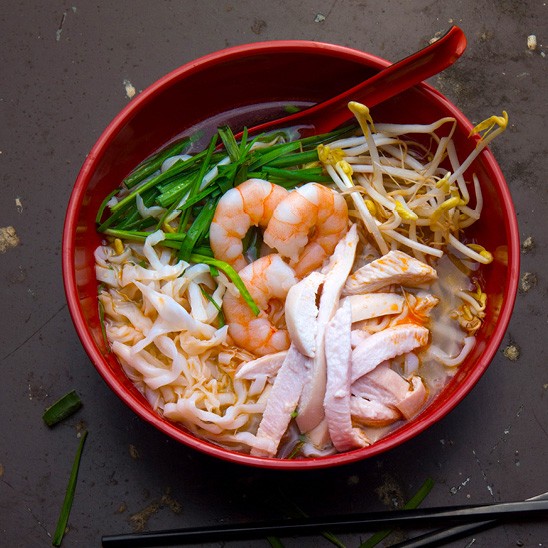
Ipoh Hor Fun doesn't need to be extravagant. That's part of its charm. Silky noodles. Flavourful broth. Carefully chosen toppings. When each element is prepared well, the result is a bowl that's satisfying from the first spoonful to the last.
It represents a side of Malaysian cuisine that's sometimes overlooked: food doesn't have to be fiery or complicated to have depth.
Discover the Flavours of Ipoh
At Ipoh Town and Ipoh Hawker, our inspiration comes from the food culture and flavours that make Malaysian dining so distinctive. Whether you're already familiar with Malaysian classics or you're beginning to explore the cuisine, dishes such as Ipoh Hor Fun offer a delicious introduction to the traditions behind the food.
Come hungry, bring good company and discover a little taste of Ipoh in Australia.