

Malaysian cuisine is famous for fragrant curries, wok-fried noodles, comforting rice dishes and bold sauces. With vegetables, tofu, coconut milk, rice, noodles, herbs and spices appearing throughout the cuisine, there can be plenty for plant-based diners to explore.
But choosing vegan Malaysian food isn't always as simple as spotting vegetables on the plate.
Traditional recipes can contain ingredients such as shrimp paste, fish sauce, egg or meat-based stock, even when meat isn't immediately visible. That's why knowing a little about the ingredients can make exploring Malaysian food much easier.
If you're new to plant-based Malaysian dining, here's a helpful place to start.
Is Malaysian Food Vegan-Friendly?
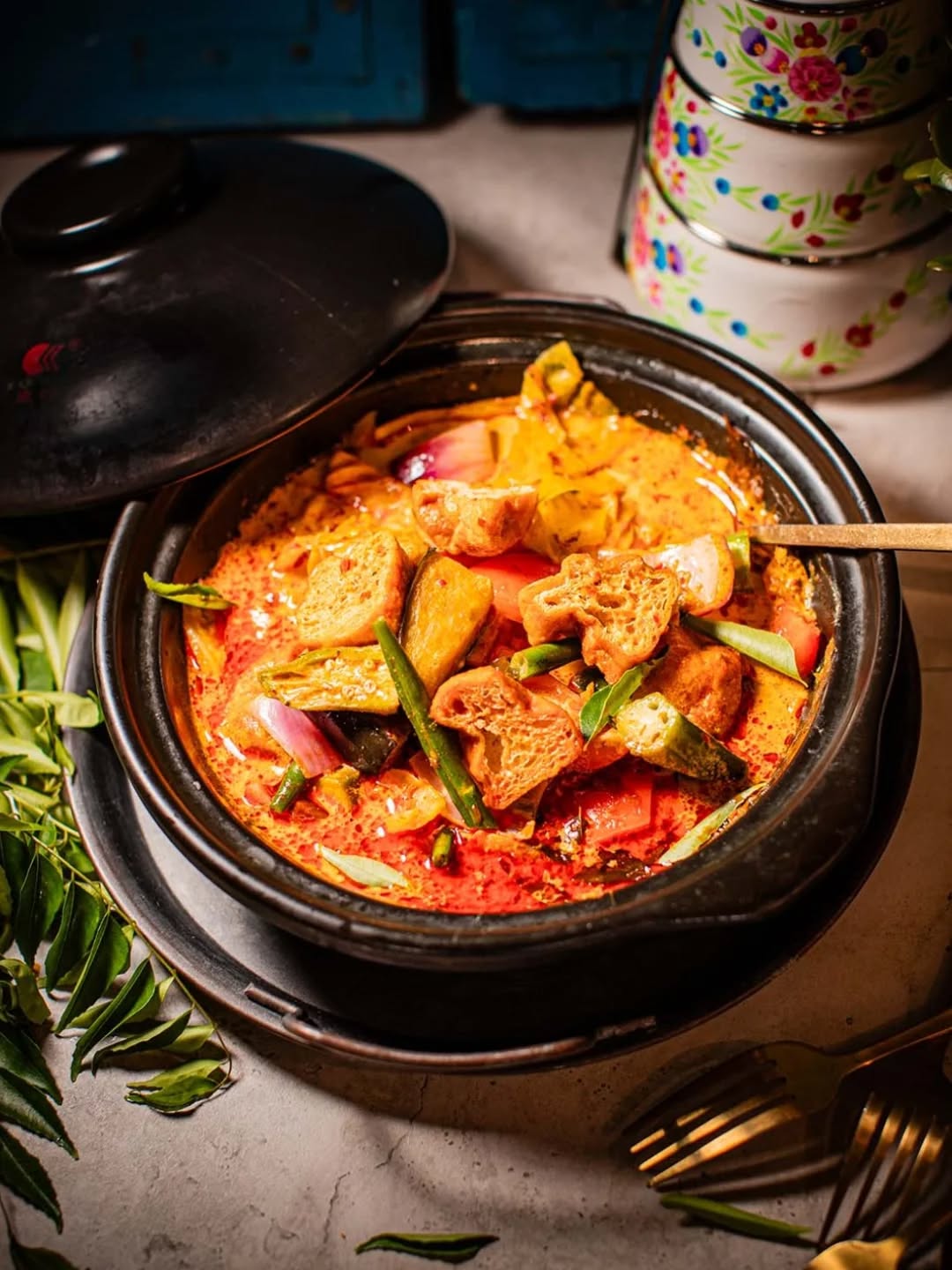
Malaysian cuisine can offer plenty of ingredients that naturally fit a plant-based diet.
Rice, tofu, noodles, coconut milk, vegetables, chillies, herbs and aromatic spices all play important roles in Malaysian cooking.
However, Malaysia's food culture has been shaped by Malay, Chinese and Indian culinary traditions, so recipes vary enormously. A vegetable dish in one kitchen may be prepared differently in another.
The key is to look beyond the main ingredients and consider the sauces, broths and seasonings too.
Start With Vegetable and Tofu Dishes
Vegetables and tofu are staples across many styles of Malaysian cooking.
Depending on the recipe, you may find stir-fried vegetables, tofu dishes or vegetable curries that can suit plant-based diners.
Tofu is particularly versatile. It absorbs sauces and spices beautifully, making it a natural match for the rich, aromatic flavours associated with Malaysian food.
Just remember that a tofu or vegetable dish isn't automatically vegan. Always check how the sauce or stock is prepared.
Rice Can Be a Great Starting Point
Steamed rice is one of the simplest foundations for a plant-based Malaysian meal.
Pair it with suitable vegetable, tofu or curry dishes and you can build a meal with contrasting flavours and textures.
Other rice dishes require a little more attention. Traditional recipes may use chicken stock, egg, dried seafood or other animal-derived ingredients during preparation.
When you're unsure, asking the restaurant is the easiest way to know exactly what you're ordering.
What About Malaysian Noodles?
Malaysian noodle dishes can often be adapted or prepared with vegetables, but the noodles are only one part of the equation.
For example, a stir-fried noodle dish may contain egg, seafood-based sauces or meat-based seasoning even when ordered without meat.
Soup noodles can present a similar issue because the broth may have been prepared using chicken, seafood or other animal ingredients.
If you're vegan, check both the noodles and the sauce or broth rather than simply asking for the meat to be removed.
Can Laksa Be Vegan?
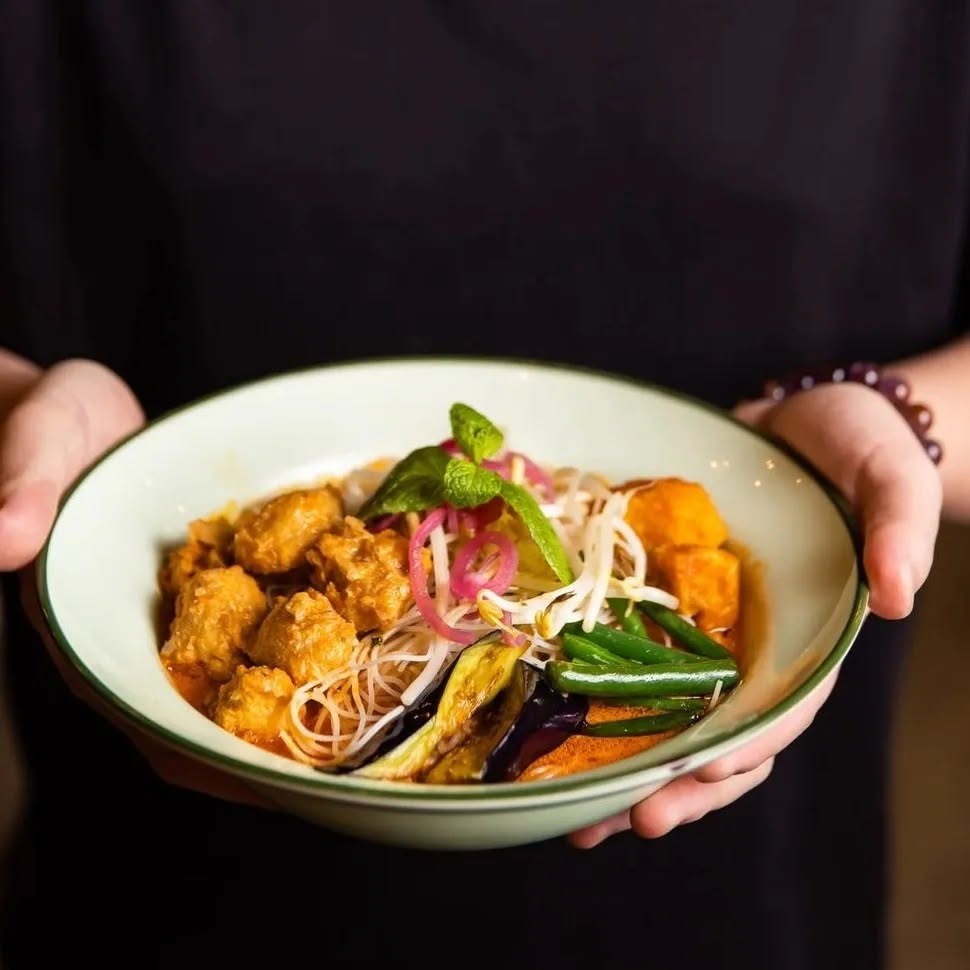
Laksa shows why it's important to ask about preparation.
Coconut milk itself is plant-based, so a creamy bowl of curry laksa might appear vegan at first glance. However, traditional laksa pastes and broths can contain shrimp paste, dried seafood or other non-vegan ingredients.
A vegan laksa therefore needs more than vegetable toppings. The paste and broth also need to be prepared without animal-derived ingredients.
If you've ever wondered what separates laksa from curry, our guide to Laksa vs Curry: What's the Difference? explores both Malaysian favourites in more detail.
Ingredients Vegan Diners Should Look Out For
Some ingredients aren't immediately obvious once they're incorporated into a sauce or broth.
When ordering Malaysian food, vegan diners may want to check for:
- Belacan or shrimp paste
- Fish sauce
- Oyster sauce
- Dried shrimp or seafood
- Meat or seafood-based stocks
- Egg
- Dairy ingredients
- Animal-derived garnishes
This doesn't mean you need to avoid Malaysian food. It simply means asking a few questions can help you make a more informed choice.
Don't Assume "Vegetarian" Means "Vegan"
This is one of the most useful things to remember.
A vegetarian dish may still contain egg, dairy or other ingredients that don't suit a vegan diet. Likewise, a vegetable-based dish may use a sauce containing seafood-derived seasoning.
If you follow a strict vegan diet, let the restaurant know when ordering rather than relying on the dish name alone.
It also helps the kitchen understand that you're asking about the entire preparation, not simply whether visible meat can be removed.
Malaysian Flavour Doesn't Depend on Meat
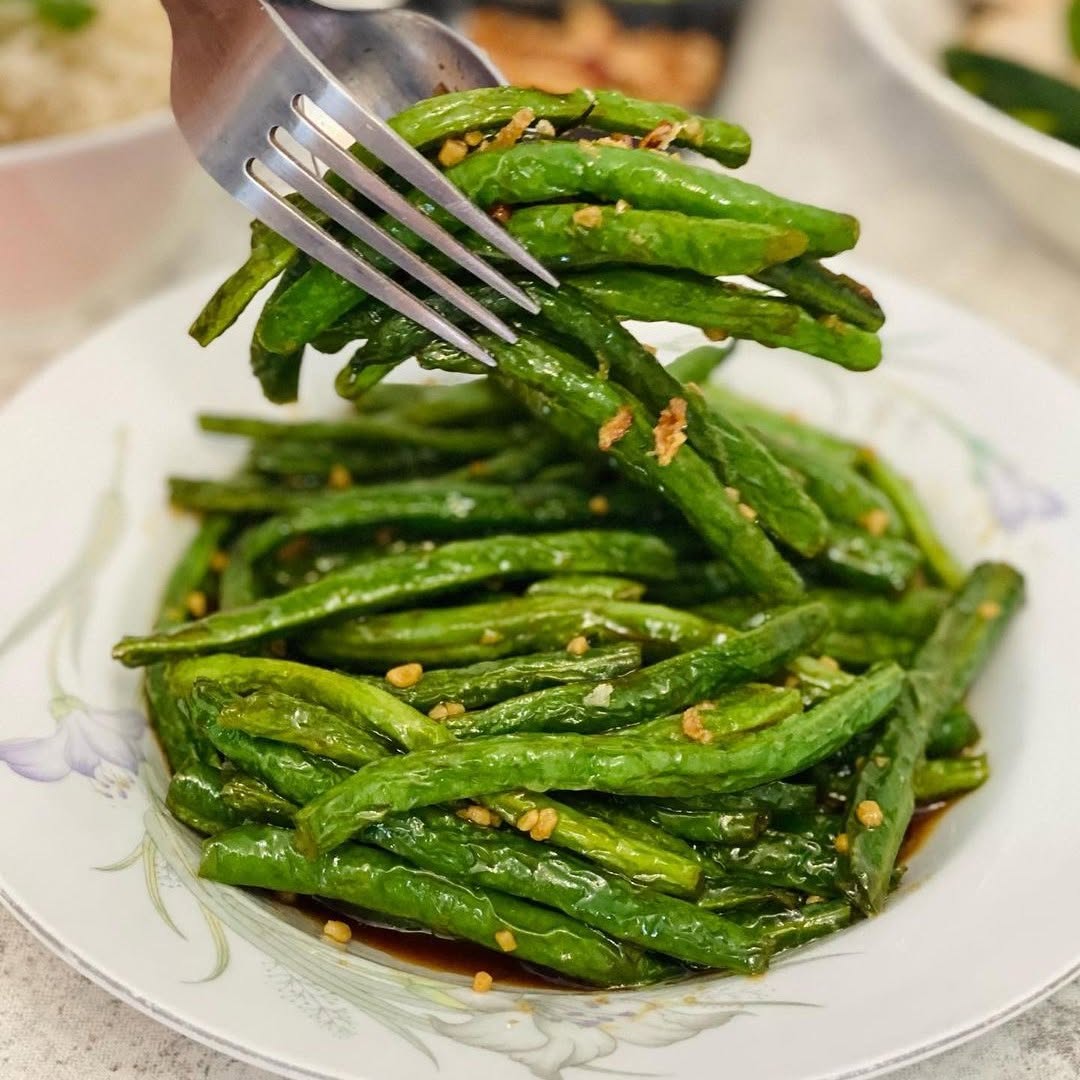
What makes Malaysian food exciting is the way different flavours are layered together.
Ingredients such as chilli, garlic, ginger, turmeric, lemongrass, tamarind, coconut milk and other aromatics can create remarkable depth when combined thoughtfully.
That's why plant-based Malaysian food doesn't have to feel like a compromise. When a dish is designed appropriately, vegetables and tofu can carry plenty of flavour of their own.
For a deeper look at how Malaysian cooking develops its distinctive character, read Why Does Malaysian Food Taste So Good? The Secret Behind Every Dish.
Sharing Makes It Easier to Explore
If you're dining with a group, Malaysian food gives you an opportunity to explore several dishes rather than relying on one main meal.
A table can combine suitable vegetable and tofu dishes with rice and other plant-based choices, giving everyone a chance to experience different flavours and textures.
Sharing is deeply connected to Malaysian dining culture, too. As we explore in Why Malaysian Food Is Made for Sharing, meals are often as much about gathering around the table as the individual dishes themselves.
Ask Before You Order
Recipes and preparation methods differ between restaurants, so the most reliable approach is always to ask.
If you're dining at Ipoh Town or Ipoh Hawker, speak with our team about the current menu and your dietary requirements before ordering. They can help you understand which available dishes or options may be suitable.
This is particularly important for allergies or strict dietary requirements, where ingredients and cross-contact need to be considered carefully.
Discover Another Side of Malaysian Food
Exploring vegan Malaysian food is a great way to appreciate just how diverse the cuisine can be.
Beyond the familiar meat and seafood classics lies a world of vegetables, tofu, rice, noodles, coconut, herbs and spices—all influenced by Malaysia's multicultural food heritage.
Whether you're vegan, trying to eat more plant-based meals or simply curious about something different, start by asking questions and exploring the choices available.
At Ipoh Town and Ipoh Hawker, Malaysian food is about discovering flavour, sharing good food and finding something at the table you can enjoy.