

Malaysian food isn't defined by just one flavour. It's fragrant, spicy, savoury, tangy and comforting—sometimes all in the same meal. What makes it so special isn't a single recipe or ingredient, but generations of cultures cooking, eating and sharing together.
For centuries, Malaysia has been home to Malay, Chinese and Indian communities, each bringing their own cooking techniques, ingredients and family recipes. Rather than remaining separate, these traditions gradually blended together, creating one of the world's most diverse and exciting food cultures.

At Ipoh, we're proud to serve dishes inspired by this rich heritage—recipes that have been enjoyed across generations throughout Malaysia.
A Cuisine Built on Cultural Diversity
For centuries, Malaysia has been a meeting point for traders, travellers and communities from across Asia. As cultures came together, so did their food—creating a cuisine that's known today for its incredible diversity.
Over time, local Malay traditions combined with Chinese migration and Indian influences, resulting in dishes that balance multiple flavours and textures rather than focusing on just one.
You'll often notice Malaysian meals combining:
- Rich savoury broths
- Rich savoury broths
- Fresh herbs and aromatics
- Fragrant spices
- Slow-cooked meats
- Crisp vegetables
- Noodles and rice prepared in many different ways
This balance is what gives Malaysian cuisine its distinctive character.
The Chinese Influence
Chinese communities have played a significant role in shaping Malaysian cuisine, particularly in cities such as Ipoh.

Many of the noodle dishes, soups and stir-fries enjoyed across Malaysia today were influenced by Cantonese and Hakka cooking traditions, before evolving into uniquely Malaysian favourites.
These influences include:
- Handmade noodles
- Delicate clear broths
- Soy-based sauces
- Roast meats
- Wok cooking over high heat
One well-loved example is Ipoh Hor Fun, famous for its silky flat rice noodles served in a light, flavourful broth.
Another favourite is Hainanese Chicken Rice , where simple ingredients are elevated through careful preparation and generations of refinement.
The Malay Influence
Malay cooking forms the heart of many traditional Malaysian dishes, known for its fragrant herbs, spice pastes and rich coconut-based flavours.
Common ingredients include:
- Lemongrass
- Turmeric
- Galangal
- Pandan
- Coconut milk
- Belacan (shrimp paste)
- Chillies
These ingredients create the fragrant curries, sambals and sauces that many people associate with Malaysian cooking.
Malay cooking often focuses on slow preparation, allowing spices to develop deep, layered flavours that are comforting rather than overwhelming.
The Indian Influence
Indian communities—particularly those from South India—introduced another layer of flavour to Malaysian cuisine through aromatic spices, curries and breads that remain staples today.
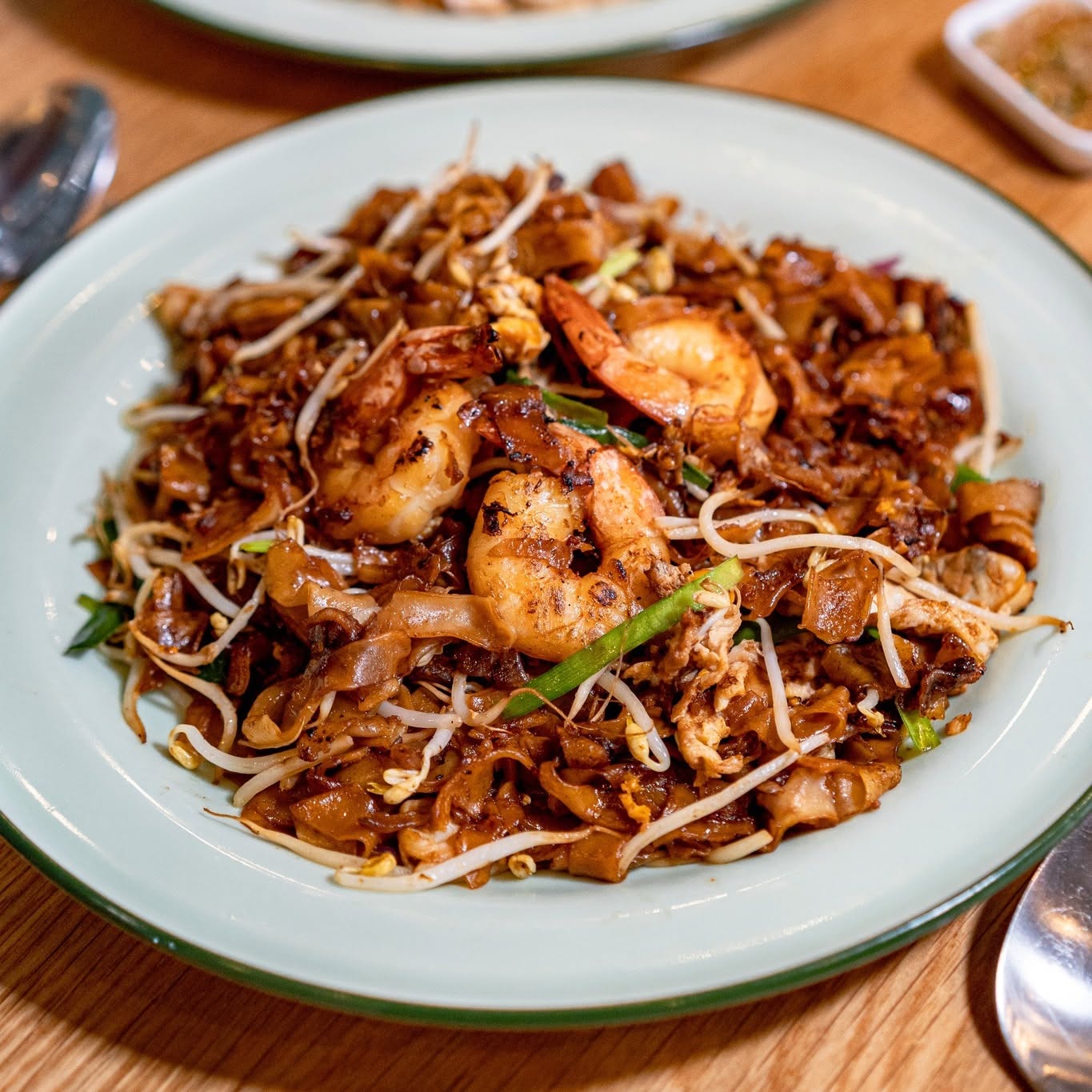
Many Malaysian favourites feature influences from South Indian cooking, including:
- Curry powders
- Cumin
- Coriander
- Cardamom
- Cinnamon
- Mustard seeds
These spices appear in dishes such as curries, biryani, roti and dhal, adding warmth and complexity without overpowering the other ingredients.
The result is food that feels rich, satisfying and deeply comforting.
The Beauty of Nyonya Cuisine
One of Malaysia's most fascinating culinary traditions is Nyonya (or Peranakan) cuisine.
Developed through generations of Chinese settlers who made the Malay Peninsula their home, Nyonya cooking beautifully combines Chinese techniques with Malay herbs, spices and ingredients.
Many recipes feature:
- Coconut milk
- Tamarind
- Turmeric
- Fresh herbs
- Slow-cooked spice pastes
- Delicate balancing of sweet, sour, spicy and savoury flavours
Nyonya cuisine perfectly illustrates how Malaysian food evolved through cultural sharing rather than separation.
More Than Just Spice
One common misconception is that Malaysian food is always extremely spicy.

In reality, the cuisine is known for balance.
A single dish may combine:
- Sweetness
- Saltiness
- Umami
- Mild heat
- Fresh herbs
- Gentle acidity
Rather than relying on chilli alone, Malaysian cooking builds flavour through layers of herbs, spices, broths and careful cooking techniques.
This complexity is what keeps people coming back.
Why Malaysian Food Feels So Comforting
Many Malaysian recipes have been passed down through families for generations.
Whether it's a slow-simmered curry, freshly prepared noodles or a bowl of comforting soup, the focus has always been on creating meals that bring people together.
In Malaysia, food is more than something you eat. It's how families gather, friends reconnect and celebrations come to life.
That spirit of hospitality remains an important part of Malaysian dining today.
Experience Malaysian Heritage at Ipoh Town and Ipoh Hawker
At Ipoh, we're proud to share the flavours and traditions that make Malaysian cuisine so unique. From comforting noodle dishes and fragrant rice meals to recipes inspired by Chinese, Malay and Indian heritage, every dish tells part of Malaysia's story.
Whether you're trying Malaysian food for the first time or returning for a taste of home, we look forward to welcoming you to the table.